Review

Genre and Mood
Electric Guest made This Head I Hold their calling card: indie pop with a soul heart, 1960s and 1970s grooves played by a modern band. The Los Angeles group around singer Asa Taccone and drummer Matthew “Cornbread” Compton is known for blending Motown sensibilities with Taccone’s falsetto, and Entertainment Weekly summed this song up as “all winking falsetto and retro swagger”. The mood is uplifting and soulful, with a reflective idea underneath.
Song Summary
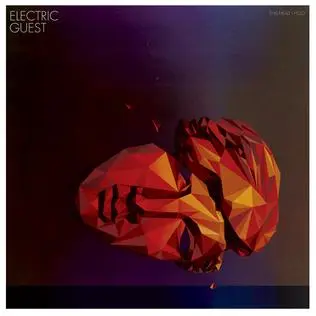
At its core, This Head I Hold is about independence. Taccone has said the song was meant as a “constant reminder” that you don’t have to follow the steps your culture or society lays out. It is set to a short, bouncing arrangement, under three minutes long, that The Line of Best Fit called a “piano-driven romper”. The song dates back to a 2006 recording; Taccone first played the demo to Brian Burton, better known as Danger Mouse, intending to give it to a female singer, but Burton insisted it was too good to give away. He produced it, and it became the first single from the band’s 2012 debut album Mondo on Downtown Records, credited to Taccone, Compton, Rory Uphold and Burton.
Lyrics Breakdown
Intro: Welcoming Reflection
The song does not ease in: piano and drums establish the groove from the start, bright and retro, inviting you to nod along before the voice arrives.
Verse 1: Recognizing Struggles
The first verse sets up the pressure the song pushes against, the expectations other people place on you. Taccone sings it high and light, climbing as he goes, so the doubt in the words never weighs the music down.
Chorus: The Heartfelt Affirmation
The chorus turns the title into a statement of ownership: this head, these thoughts, are his own. Carried by the groove, the line becomes an affirmation you can dance to.
Verse 2: Embracing Positivity
The second verse keeps the momentum, the steady rhythm urging the listener forward and reinforcing the refusal to live by someone else’s script.
Bridge: Reflective Interlude
A short change of section gives the song a moment of contrast before the last refrain, without letting the energy drop for long.
Final Chorus: A Reassuring Closure
The last chorus repeats the refrain and closes quickly, ending while the song is still at full swing.
Concepts in Focus
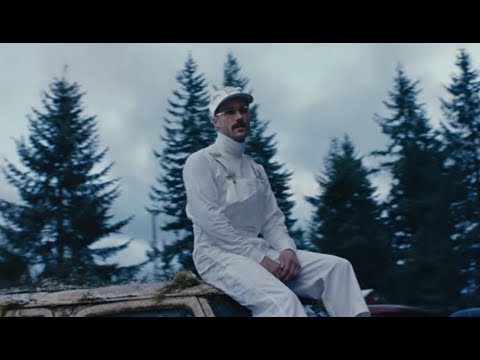
The voice is the first thing to notice. Taccone sings much of the song in falsetto, the light, high register above a singer’s normal chest voice. In soul music, from Curtis Mayfield to the Motown groups, falsetto signals sweetness and vulnerability, and Electric Guest borrow that association knowingly, with what Entertainment Weekly heard as a wink. Compare Portugal. The Man – Feel It Still, another indie band using falsetto to channel vintage soul.
The second is the groove. The song moves because of how the piano, kick drum and bass lock together, not because of electronic production or a drop. The Canberra Times said it “seems to have been designed specifically to get you on your feet”, and that comes from the rhythm section, a short pattern played with a bounce and repeated with small variations.
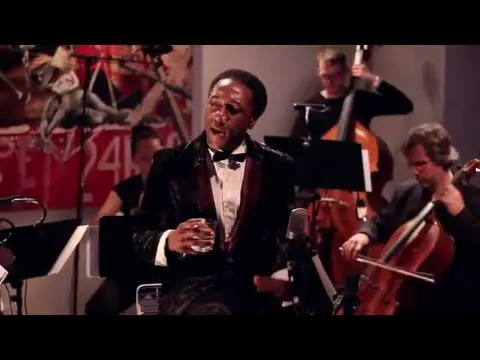
The song also had two lives on screen. The first music video, released on the single’s day, showed the band performing live; a second, narrative video directed by Keith Schofield follows a talent competition and a desert expedition. The track later reached new audiences through IKEA’s 2014 “Every Meal is a Special Occasion” advertisement and the 2014 film Annie, and it peaked at number 30 on Billboard’s US Alternative Songs chart and 37 in France.