Review

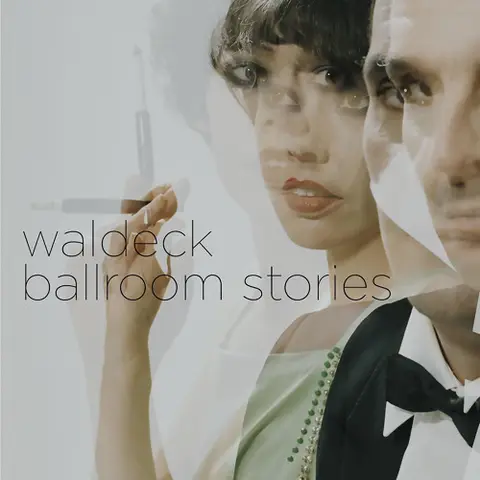
Midsummer Night Blues comes from Ballroom Stories, the 2007 album on which the Viennese producer Waldeck turned to the ballrooms and speakeasies of the late 1920s. Its singer, Zeebee, also wrote its words, and her voice carries a summer night that feels both warm and already past.
The track is unhurried and nostalgic, a modern record dressed as an old one, and the gap between the two eras is part of its charm.
Band and Artist Background
Zeebee is the stage name of Eva Engel, a singer-songwriter, composer and producer born in Aalen, Germany, in 1965 and based in Austria. Her own music moves between jazz, pop, electronica and acoustic sounds, and she released her third solo album, Be My Sailor, on Dope Noir in 2010.
Waldeck is the Viennese producer Klaus Waldeck, who founded the label Dope Noir Records in 2001. His earlier albums Balance of the Force (1998) and The Night Garden (2001) each sold more than 100,000 copies. Ballroom Stories was the first album on which he worked with Zeebee, who wrote and sang several of its best-loved songs, among them “Addicted”, “Memories” and “Midsummer Night Blues”.
About the Track: “Midsummer Night Blues”
“Midsummer Night Blues” is composed by Klaus Waldeck with lyrics by Zeebee, and it was released on 10 September 2007 on Ballroom Stories. The song evokes the lingering heat of a summer evening, where nostalgia and pleasure meet.
Mood and Atmosphere
The mood is vibrant and melancholic at once, which suits a blues sung inside a swing record. The album’s period sound adds a second layer of nostalgia: the summer night in the lyric, and the vanished era in the sound.
The atmosphere comes from production as much as from performance. Waldeck recorded most of the album’s arrangements live, then added gramophone and shellac effects so the listener seems to be travelling into the past.
Song Summary
“Midsummer Night Blues” sets Zeebee’s soulful voice inside Waldeck’s recreation of late-1920s ballroom music, the swing and tango of Ballroom Stories, with the producer’s long-standing love of dub and reggae somewhere in the background. The song feels like a late-night conversation set in another century.
Musical Composition
Intro: Setting the Scene with Melodic Elegance
The opening establishes the period setting, the warm, slightly worn sound of an old record before the voice arrives.
Verse 1: Soulful Vocals, Jazzy Atmosphere
Zeebee’s voice comes in, singing her own lyric about a summer night; her delivery is close and unhurried.
Chorus: Evoking a Sense of Longing
The chorus opens the song up, the title’s blues expressed over a swinging rhythm rather than a slow lament.
Bridge: Reflecting on Time
A quieter passage lets the arrangement breathe before the last return of the main idea.
Climax: An Emotional Crescendo
The final section brings the voice and the band to their fullest.
Outro: A Gentle, Nostalgic Farewell
The song closes gently, leaving the old-record atmosphere in the air.
Concepts in Focus
The groove is swing, the rhythm of the 1920s and 1930s dance bands, in which beats are played long-short instead of evenly and the music seems to lean forward. Ballroom Stories rebuilds that feel with modern means, and it belongs to the same wave of the 2000s that brought swing back through electronic production; compare the faster, more frantic Caravan Palace – Lone Digger.
The credit “feat. Zeebee” makes this a lesson in the <a href=“https://korczis.github.io/sonic-playground/concept/featured-artist/” class=“concept-link font-medium text-primary-700 underline decoration-dotted underline-offset-4 hover:decoration-solid dark:text-primary-400” data-concept=“featured-artist” title=“A guest performer credited on another artist’s track, usually as “feat.”: a rapper’s verse, a singer’s hook or a second voice. Features bring together different styles and audiences and are central to hip-hop, R&B and dance music.“>featured artist who is more than a guest. Zeebee wrote the lyrics, and her voice defines the song; the track is credited to Waldeck because it is his album and his music. Her other Ballroom songs, such as Waldeck – Memories, show how central the partnership became.
Artistic Context
“Midsummer Night Blues” was released on Waldeck’s own Vienna label, Dope Noir, which he founded in 2001. Ballroom Stories mixed swing with tango and gave Zeebee the first of many appearances on Waldeck’s records; she has sung with his band since, and his 2020 album Grand Casino Hotel again features her.
Impact and Reception
“Midsummer Night Blues” was never a chart single, but it remained part of the Ballroom canon: it reappeared on the French radio station’s compilation FIP, Vol. 1 in 2015 and, in a version with the singer Patrizia Ferrara, on Dope Noir’s 20th-anniversary collection in 2022. Ballroom Stories was nominated for an Amadeus Austrian Music Award.
Conclusion
In “Midsummer Night Blues,” Waldeck and Zeebee make an old sound new without hiding the seams. Listen for the swing, the crackle and the voice, and let the summer night end slowly.