Review

Genre and Mood
alt-J made Breezeblocks the kind of song that sounds polite until you listen to the words. It sits between indie rock and art rock: guitars and keyboards played lightly, a drum part that leaves space, and voices packed so closely together that they read as one strange instrument. The mood is quirky and intriguing at first, then unsettling, and by the end it is almost euphoric in its insistence.
Song Summary
Joe Newman has described the song as being about wanting someone so much that you want to hurt yourself and them, and the arrangement is built to make that contradiction audible. The music is tender, unhurried, nearly a lullaby; the lyric is about possession. Its refrain borrows from Maurice Sendak’s Where the Wild Things Are, where a monster’s love is phrased as a threat to eat the child up, and the band lets that ambiguity do the work instead of underlining it. Even an everyday object found its way in: a warning label on an aerosol can inspired a line of the refrain.
Musical Breakdown
Intro
Plucked guitar and keyboard open quietly and without fuss. Nothing announces a single; the hook is the atmosphere.
Verse 1
Newman’s delivery is clipped and nasal, more rhythmic than melodic, while Gus Unger-Hamilton and the others shadow him in close harmony. The effect is intimate and slightly uncanny, like several people whispering the same thought.
Chorus
The refrain is where the children’s-book line arrives. It is sung sweetly, which is exactly why it lands so oddly in a song about not letting go.
Outro
The final part does not rush. Instead, earlier lines return and are sung over one another and repeated, so the song thickens until the voices crowd the room. It is a crescendo of insistence rather than of tempo, and it ends with the obsession unresolved.
Concepts in Focus
Breezeblocks is a clear lesson in vocal harmony used for texture rather than prettiness. The close voicings make the band sound like one many-throated singer, which suits a lyric about two people who cannot be separated. Listen to how much of the song’s identity lives in that blend rather than in any single melody.
The ending is a build-up without a drop. Dance tracks build tension and release it; here the tension is the point. Repetition and layering raise the intensity while the tempo stays put, so the listener feels trapped in the same loop as the narrator.
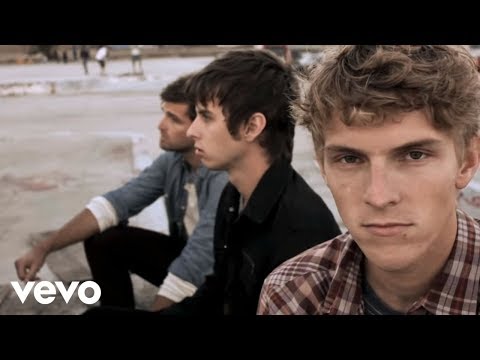
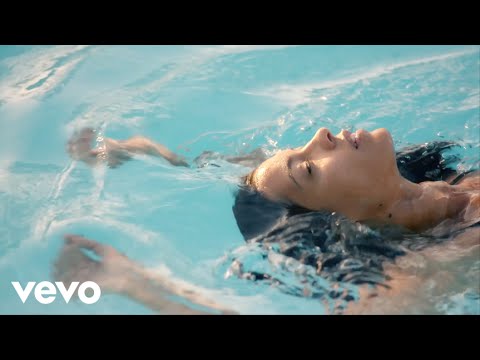
Finally, the music video directed by Ellis Bahl tells a violent story in reverse, beginning with the aftermath and ending at the start. It was the band’s first official video, it won Best Alternative Video at the 2012 UK Music Video Awards, and on YouTube it has become the main way many listeners met the song. Compare how a reversed story reframes the refrain with the way Foster The People – Pumped Up Kicks hides its subject under a bright surface.
Artistic Context
alt-J formed in Leeds, and Breezeblocks was the second single from their debut album An Awesome Wave, released by Infectious in May 2012 and produced by Charlie Andrew. The writing is credited to all four members of the time: Joe Newman, Gus Unger-Hamilton, Gwilym Sainsbury and Thom Green. An Awesome Wave won the 2012 Mercury Prize, and Breezeblocks became the song most people know the band by.
Impact and Reception
The single reached number 75 in the UK and number 6 on the UK Indie chart, but its long life came later and elsewhere: number 9 on US Alternative Airplay, third place in Triple J’s Hottest 100 of 2012 in Australia, and platinum certifications in the UK, the US and Australia. More than a decade on, it is still the clearest example of how alt-J turn restraint into tension. Put it on with the words in mind and listen to the last minute twice.