Review
Genre and Mood
Arctic Monkeys reinvented themselves with R U Mine?, a slab of alternative rock that swaps the frantic indie rock of their early records for a heavier, slower swagger. It is unmistakably rock, energetic and bold, with a gritty, fuzzed-out tone that owes as much to desert rock and classic riffs as it does to the Sheffield band’s own past.
Song Summary
The song is a jealous, insomniac question fired at someone who will not commit: are you mine or not? Alex Turner delivers it in a torrent of rapid-fire, rhyme-stuffed lines, while the band locks into a muscular riff that stops and starts like a car revving at a red light. Matt Helders’ drums hit hard and dry, and the high backing vocals add a strange, almost soulful sheen to the menace. The memorable detail is the riff itself, written by the bassist Nick O’Malley while the band were recording the B-side “Evil Twin”: thick, bending and instantly recognisable within two notes.
Musical Breakdown
R U Mine? is built on tension and release, slamming between full-band stomp and sudden gaps.
Intro
A distorted guitar lick bursts in almost before you are ready, quickly joined by the drums in a heavy, lurching groove.
Verse 1
Turner’s vocal comes in fast and conversational, packing images and internal rhymes into every bar while the riff grinds underneath.
Chorus
The title question arrives with falsetto harmonies floating over the crunch, an odd and effective mix of swagger and vulnerability.
Bridge
The band pulls back for a moment and the lyric turns pleading, a breather before the final charge.
Outro
Everything slams back together for a last burst of riffing before cutting off abruptly, leaving the question hanging.
Concepts in Focus
The song is built on a riff, a short instrumental figure repeated until it becomes the song’s identity. O’Malley’s riff is heavy, bluesy and full of stops, so the band can drop out around it and slam back in. Critics heard stoner rock, garage rock and hard rock in it; what they all heard was the riff first and the words second.
Against that weight the band set high backing vocals that often rise into falsetto, the light register above the normal voice. Turner said the idea came from R&B: “the way the backing vocals might come right to the front and disappear again”, as on records by Ashanti. The contrast between the crunch and those voices is the sound AM went on to develop; hear it again on Arctic Monkeys – Do I Wanna Know?.
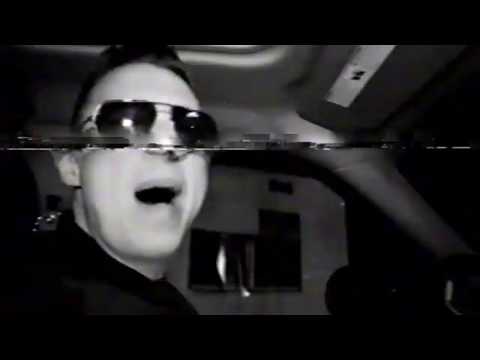
The music video was Matt Helders’ idea, directed by Focus Creeps, who in Helders’ words gave the band a camera and told them to film. It shows the former Sex Pistols guitarist Steve Jones debuting the song on his KROQ radio show while Helders, Turner and O’Malley lip-sync in a car. It won the NME Award for Best Video in 2013.
Artistic Context
Arctic Monkeys first released R U Mine? on 27 February 2012 as a standalone single between Suck It and See and the next record, recorded in Sheffield in January 2012 and produced by Ross Orton; it was also pressed on 1,750 purple seven-inch records for Record Store Day with “Electricity”. The lyrics are Alex Turner’s, the music is credited to the whole band, and Turner said it was about uncertainty, with nods to “Some Velvet Morning” and Tracy Island. Its weight and groove pointed the way forward, and a slightly remixed version later joined AM, the 2013 album on Domino.
Impact and Reception
The single entered the UK chart at number 23, the band’s highest-charting single since “Crying Lightning” in 2009, was later certified platinum in the UK, and appeared in the games Forza Horizon, Rocksmith 2014 and Guitar Hero Live. NME ranked it 49th among the 100 greatest songs of the 2010s, and as part of AM it helped turn Arctic Monkeys into one of the biggest rock bands of the decade. It is on this playground because it is simply one of the great riffs of the 2010s. Play it loud, preferably in a car, and try not to drum along.