Review
Genre and Mood
Utah Jazz made Take No More in the strand of drum and bass called liquid funk: electronic, fast and full of breakbeats, but built from soulful, musical samples. It is energetic and emotional at once, the two things he says drew him to drum and bass in the first place: “so much energy – it’s hard to keep still and there is so much emotion.”
Song Summary
The track is the one its maker picks when asked which of his productions is most personal. “‘Take No More’ seemed to mean something more when I made it,” he told Spinsmag in 2012. “It was completed in around 4 or 5 hours very early one Saturday morning on headphones (when I couldn’t sleep) and fuses prog rock piano samples with a great blues vocal and guitar.” Those three sampled sources, piano, voice and guitar, are the song.
Musical Breakdown
No source describes Take No More section by section, so this breakdown follows the elements its maker names rather than a timeline.
Intro
Listen for which element arrives first, the piano or the rhythm, and how quickly the track commits to its tempo.
Main Section
The body sets the prog rock piano samples against the blues vocal and guitar over drum and bass. Notice how much of the mood comes from the samples and how much from the drums.
Outro
At over six minutes the track is a DJ’s length, with room to mix in and out.
Concepts in Focus
sampling is the heart of it. Utah Jazz says many of his samples come from his brother’s “substantial funk & soul collection”, and here the samples come from two older worlds, prog rock piano and blues, joined into something new. Liquid funk, in his definition, is drum and bass “often with soulful samples / strings / instruments / vocals which gives it a more musical element than what is usually expected from the D&B genre.”
The engine underneath is the breakbeat, the syncopated drum pattern that drum and bass grew from. Compare the São Paulo version of the same idea in DJ Patife – Sambassim (DJ Patife Remix), where a bossa melody rides the breaks.
Artistic Context
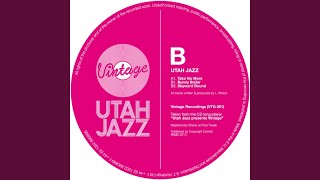
Utah Jazz is the London producer and DJ Luke, whose brothers introduced him to jungle through London’s pirate radio stations and taught him to mix; he took the name from the American basketball team while still at school, to showcase the “Jazz Jungle” style he put on mix cassettes. Vintage, released in 2010, was his second album, on a label of the same name. Skiddle’s reviewer called it “an earthquake of trembling high-hats” and heard “smooth liquid jazz” travelling in all directions across fourteen tracks.
Impact and Reception
Take No More came out as a single on Vintage Recordings in June 2010, and a remix by DJ N-Type followed that autumn. Utah Jazz has played at the London club Fabric since he was nineteen. Play this one late, on headphones, the way it was made.