Skip to content
Published in nu-jazz ·

Tweak

Fathorn

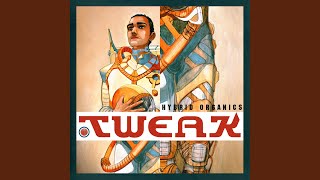
Fathorn opens Hybrid Organics, the 2001 album of the Swiss producer Cyril Boehler as Tweak on Zürich's Straight Ahead label: programmed nu-jazz beats with an alphorn played by the jazz trombonist Robert Morgenthaler.

Review

Genre and Mood

Tweak is the Swiss producer Cyril Boehler, and Fathorn is the first track of his 2001 album Hybrid Organics. The genres here follow the record: nu-jazz, the scene of compilations such as Bazaar Nu-Jazz that carried the track, and downtempo and broken beat, which Discogs gives for the album. Groovy and adventurous are this page’s reading; Boehler’s own summary of the record is wild jazzy beats and alpine horns.

Song Summary

Fathorn runs 5:53 and is credited to Boehler as writer, with one guest: Robert Morgenthaler on alphorn. The album credits name Boehler as its producer, mixer and programmer and as the player of keyboards and sampler. Straight Ahead, a Zürich label, released Hybrid Organics on CD and LP in 2001. In December 2017 Boehler reissued it digitally as Hybrid Organics (Expanded), with remixes by Raw Deal, Sequel and Beanfield and bonus tracks; that is the edition the owner’s yearbook names.

Musical Breakdown

No review describes Fathorn part by part, so this page draws no map of it and claims no tempo. The sources give its two ingredients: programmed beats of the kind Discogs files as broken beat and drum n bass, and an alphorn played by a jazz musician. Listen for how the horn enters, whether it carries a melody or long held tones, and how the beat makes room for an instrument built for valleys rather than clubs.

Concepts in Focus

An alternate version of Fathorn came out the same year: Straight Ahead’s 2001 label compilation, also called Straight Ahead and compiled by Alex Dallas, carries a version of 6:02 against the album’s 5:53.

The track lived on in the dj mix: MusicBrainz lists it inside the mixed compilation Mood 2 Chill in 2001, and on the compilations Club Siesta Popular and Bazaar Nu-Jazz in 2002. That was how much nu-jazz of the period reached listeners.

A remix followed in Raw Deal’s Freedom Time mix, on Places and Spaces in 2004; Raw Deal also remixed for the 2017 expanded edition.

Artistic Context

Boehler also records under other names, which Discogs lists as Perpetual Reverb, Zwicker and Icy-2. Morgenthaler, born in Bern in 1952, is a jazz trombonist who also plays alphorn, didgeridoo and conch; he played in Carla Bley’s bands in 1985 and 1986, has played alphorn jazz with Günter Baby Sommer and the Swiss Horns, and has repeatedly been named trombonist of the year by the magazine Jazz ‘n’ More since 1997.

Impact and Reception

No review or chart figure for Fathorn was found. Its reception is written in its travels instead: a label compilation, mixed and unmixed compilations across two years and a remix three years on. Play it and listen for the moment the alphorn arrives.

Learn from this track

Introductory

What you will learn

  • Describe how nu-jazz around 2000 combined programmed beats with instruments played by jazz musicians.
  • Recognise an alphorn, a Swiss folk instrument, used inside electronic music.
  • Explain how one track can exist as an album version, a compilation version, a remix and a part of a DJ mix.

Listening guide

  1. the alphorn Robert Morgenthaler, a Bern jazz trombonist who also plays alphorn, is credited with the alphorn on Fathorn; listen for the long wooden horn over the beat.
  2. the beats Programmed by Cyril Boehler, who also played keyboards and sampler on the album; Discogs files Hybrid Organics under downtempo, broken beat and drum n bass.
  3. the length The album version runs 5:53; the version on Straight Ahead's 2001 label compilation runs 6:02. Listen for what the few extra seconds hold.
  4. the remix Raw Deal's Freedom Time mix of Fathorn, on the 2004 compilation Places and Spaces, shows another producer's reading.

Concepts in this track

dj mix

20 tracks

A continuous sequence of tracks blended by a DJ so that one flows into the next. Extended and club mixes exist so that DJs have long intros and outros to mix with.

alternate version

58 tracks

A second finished recording of the same song by the same artist, with a different arrangement, tempo or sound rather than a reworking by another producer. Comparing two versions shows how much of a song's mood comes from production rather than from melody and words.

remix

164 tracks

A new version of a recording made by reworking its parts: changing the beat, harmony, tempo or structure, often by another producer. A remix can turn a ballad into a club track.

Listen next, and why

Questions for discussion

  1. What happens to an instrument tied to mountains and folk music when it is placed over a programmed beat?
  2. The title seems to play on the word alphorn. What does a title like that tell you before you hear a note?
  3. Why did so much nu-jazz of the early 2000s travel through compilations and DJ mixes rather than charts?

References

  1. Discogs. Tweak - Hybrid Organics (Straight Ahead, SAR 022 CD) (2001). Database
  2. Discogs. Various - Straight Ahead (Straight Ahead, sar 020) (2001). Database
  3. Discogs. Straight Ahead (label profile). Database
  4. MusicBrainz. Fathorn (recording) (2001). Database
  5. MusicBrainz. Fathorn (Raw Deal's Freedom Time mix) (2004). Database
  6. YouTube (Cyril Boehler). Tweak - Hybrid Organic (Expanded) Teaser (2017). Artist
  7. YouTube (TWEAK - Topic, provided by iMusician Digital AG). Fathorn (2017). Video
  8. Wikipedia. Robert Morgenthaler. Encyclopedia

Weighted overlap of genres, feelings and moods.

Neighbourhood

This track, the tracks most like it and theirs. Drag, zoom, hover; a dot opens the track.

Show as table