Review
Genre and Mood
Galt MacDermot’s Coffee Cold is a jazz instrumental with funk in its bones, a groovy, alluring three and a half minutes from 1966. One blogger who found the record called its mood a piano-bar feel and the track itself “highly sensual”, and that is a fair place to start: it seduces rather than shouts.
Song Summary
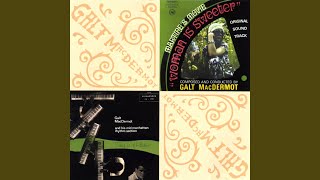
Coffee Cold is the third track of Shapes of Rhythm, credited to Galt MacDermot and his Mid Manhattan Rhythm Section. There is no singer. MacDermot plays piano, Napoleon Allen guitar, Jimmy Lewis bass and Bernard “Pretty” Purdie drums; Rick Shorter produced it, and it was recorded at Mastertone Recording Studios. The version here comes from Shapes of Rhythm/Woman Is Sweeter, the Kilmarnock Records reissue that put the 1966 album beside his 1969 record Woman Is Sweeter.
Musical Breakdown
No source walks through Coffee Cold section by section, so this one describes what the sources hear in it rather than a bar-by-bar map.
The Piano
The piano is the voice of the track. The hip-hop writer David Ma, speaking to CBC Music, called its “cold yet emotive piano plaints” amazing and guessed that it is one of the most sampled piano passages ever.
The Rhythm Section
Behind it is Purdie, whom CBC Music describes as renowned for his backbeats and precision; the blogger heard him providing “his magic behind Galt’s display of sensitivity”.
Outro
How the track closes is not described in the sources; listen for how the piano and drums leave each other.
Concepts in Focus
Coffee Cold is famous because of sampling: taking a piece of an existing recording and building a new track on it. According to CBC Music it has been sampled in at least 28 songs, by artists including Gang Starr and Nipsey Hussle, and it was Handsome Boy Modeling School’s The Truth in 1999 that set it off; DJ Vadim, DJ Premier and Oh No have sampled the same segment.
Why this track? MacDermot’s son Vince told CBC that what the producers who came to the family home found was rhythm, “a feel, which his music is heavy on”. That feel is the groove: four players locked together so that the time itself feels good. Wikipedia credits MacDermot’s work with Purdie, Lewis and Idris Muhammad with pieces that prefigured James Brown’s funk.
Artistic Context
Galt MacDermot was born in Montreal in 1928, studied music in Cape Town, won a Grammy for “African Waltz” and moved to New York in 1964. Shapes of Rhythm came two years later and the musical Hair in 1967, whose songs “Aquarius/Let the Sunshine In” and “Good Morning Starshine” became number-one hits in 1969. He died on Staten Island in December 2018, a day before his 90th birthday.
Impact and Reception
Hip-hop made Coffee Cold famous long after 1966: Questlove called its composer “King Galt”, and MusicBrainz lists the track on the soundtrack of Better Call Saul’s first season. Listen past the famous few seconds to the whole band.


