Review
Genre and Mood
Fort Minor’s Remember The Name is a hard-hitting alternative hip-hop anthem. Its motivational lyrics and driving beat create an atmosphere of determination and grit, and its signature sound is not a guitar or a synthesizer but a section of cellos.
Song Summary
“Remember The Name” is about the hustle and dedication it takes to make a name for yourself. Three rappers share it: Mike Shinoda of Linkin Park, whose side project Fort Minor is, and Tak and Ryu of the Los Angeles group Styles of Beyond. The chorus breaks success down into a formula of percentages, a little luck, some skill, concentrated will power, and that formula is what made the song a fixture of sports broadcasts.
Musical Breakdown
Intro: Setting the Stage
The track kicks off with its string loop and a heavy beat, setting a serious, urgent tone. The loop was written on keyboard; for the recording, David Campbell conducted cellists who split the hard-to-play phrase so that each played only one or two notes.
Verse 1: The Formula for Success
The first verse lays out what it takes to get recognised: talent, work, perseverance. The delivery is direct and confident, and the beat stays lean so the words come first.
Chorus: The Mantra
The chorus is the formula itself, a list of percentages chanted like a training drill. It is the part listeners remember, and the reason the song became a go-to for motivation in sport and film.
Verse 2: Staying Focused
The next voice takes over and the energy holds. The point of the song’s structure is the relay: each rapper proves himself on the same loop.
Bridge: Rising Tension
Between the verses the strings and beat keep driving without a vocal, a short space before the next voice or the returning hook.
Outro: Finishing Strong
The song ends on the chorus, the formula repeated one last time.
Concepts in Focus
The chorus is a perfect hook: short, rhythmic and built from numbers, it can be chanted by a crowd that does not know the verses. That is why the NBA used it as the theme for its 2006 and 2007 playoffs, and why it has appeared in so many trailers and sports packages since.
Underneath runs a loop, a short phrase repeated through the whole track. What is unusual is how it was made: a loop programmed on a keyboard was re-performed by real cellists, splitting the phrase between them note by note. The result has the relentlessness of a machine loop and the grain of acoustic strings.
The credit “featuring Styles of Beyond” is a lesson in the <a href=“https://korczis.github.io/sonic-playground/concept/featured-artist/” class=“concept-link font-medium text-primary-700 underline decoration-dotted underline-offset-4 hover:decoration-solid dark:text-primary-400” data-concept=“featured-artist” title=“A guest performer credited on another artist’s track, usually as “feat.”: a rapper’s verse, a singer’s hook or a second voice. Features bring together different styles and audiences and are central to hip-hop, R&B and dance music.“>featured artist. Fort Minor was Shinoda’s own project, yet the song is built as a relay of three equal voices, with Tak and Ryu credited as co-writers under their real names, Takbir Bashir and Ryan Maginn.
Lyrical Themes
“Remember The Name” revolves around:
- Perseverance and determination
- The balance of skill and effort in achieving success
- Proving yourself in front of people who doubt you
- The desire to leave a lasting name
Cultural Impact
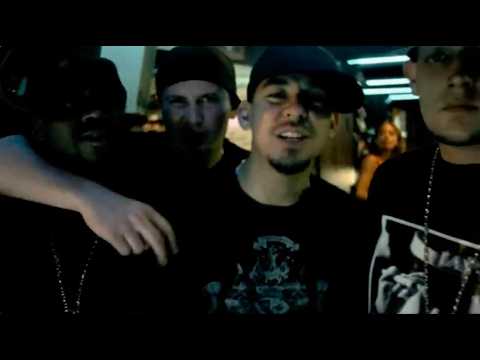
Released on 20 September 2005 as the second single from The Rising Tied, alongside “Petrified”, the song did not chart at first. Heavy use in media pushed it to number 66 on the Billboard Hot 100 in 2006: it was the NBA playoffs theme in 2006 and 2007, it appeared in NBA Live 06, in trailers for Gridiron Gang, Friday Night Lights and The Karate Kid, and later in WWE and UFC packages. The video, directed by Kimo Proudfoot, follows the three vocalists through a bar, with cameos from Linkin Park’s Chester Bennington, Brad Delson and Rob Bourdon.
Legacy
The song is now certified four times platinum in the US and platinum in the UK, far beyond its original chart run. Nearly two decades on, it is still the sound of a team walking out: a cello loop, three voices and a formula everyone can chant.