Review
Genre and Mood
Felix Da Housecat delivers a sharp blend of electro-house and electroclash with Madame Hollywood. The track is edgy and glamorous at once, but the glamour is held at arm’s length: the beat is lean and synthetic, and the voice on top treats stardom with ironic boredom.
Song Summary
“Madame Hollywood” pairs Felix Da Housecat’s production with Miss Kittin’s distinctive, half-spoken vocal. The title names a persona, a star seen from the inside, and the song plays the allure and emptiness of Hollywood fame straight-faced, which is where its humour comes from. Kittin and Felix met at a Swiss festival while she was touring with The Hacker, and the next day they wrote this song and “Silver Screen Shower Scene” in a friend’s small studio in Geneva.
Musical Breakdown
Intro: Setting the Scene
The song opens on the groove: a tight electro beat and synthesizers that sound consciously like the early 1980s, the source the whole album draws on.
Verse 1: Miss Kittin Takes the Spotlight
Miss Kittin enters closer to talking than singing. Her French-accented, deadpan delivery makes every line about fame and glamour sound like a shrug.
Chorus: The Catchy Hook
The title becomes the hook, repeated over the same machine pulse. It is a name, not a feeling, which suits a song about a public image.
Bridge: Electro Breakdown
Between the vocal sections the production comes forward, the electro groove carrying the track on its own; this is the dance-floor engine under the satire.
Verse 2 and Outro: Maintaining the Momentum
Kittin returns in the same cool register, and the track ends without changing its temperature. At under three minutes on the album, it is short and exact.
Concepts in Focus
Madame Hollywood is a classic of electroclash, the movement of the turn of the millennium that mixed 1980s electro and synth-pop with techno and a punk sense of irony. Kittenz and Thee Glitz, the album it comes from, blends early-1980s electronic pop with house, and Miss Kittin was one of the scene’s defining voices.
Her delivery is spoken word rather than song: a flat, almost bored voice that talks over the beat. Spoken vocals strip away the emotion a melody supplies, so the listener hears attitude instead, and a lyric about glamour sounds like a commentary on glamour. Compare her earlier track with The Hacker, Miss Kittin – Frank Sinatra, which uses the same voice on the same subject.
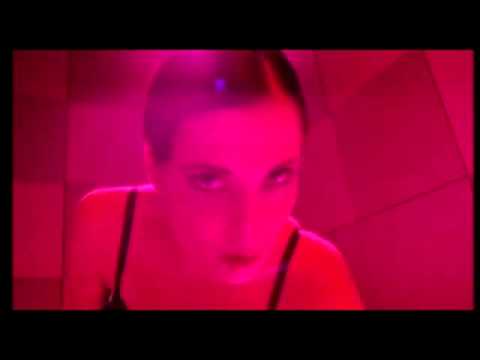
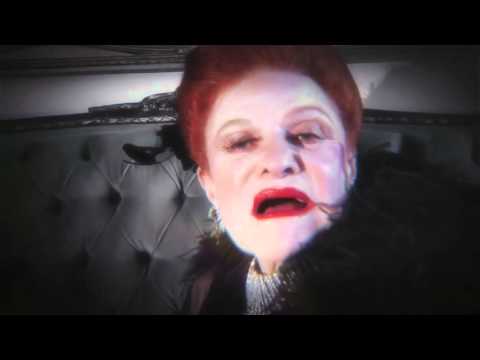
The music video, directed by Guy Sagy, makes the irony visual: elderly women lip-sync the song. The glamour persona is given to people that Hollywood’s idea of glamour leaves out.
Artistic Context
Felix Da Housecat, born Felix Stallings Jr., is a Chicago house producer; Miss Kittin is the French artist Caroline Hervé. The song is credited to both of them and produced by Felix. It first appeared in 2000 on the Paris shop Colette’s compilation Colette N°4, then on Kittenz and Thee Glitz, released by City Rockers in July 2001 and in the US by Emperor Norton in 2002. Madame Hollywood was the album’s third single, in 2002, after “Silver Screen Shower Scene” and “What Does It Feel Like?”.
Impact and Reception
The album earned generally favourable reviews (a Metacritic score of 78), although Pitchfork was unimpressed by Kittin’s vocal. The single reached number 11 on Billboard’s Hot Dance Music/Maxi-Singles Sales chart and number 19 in Canada, and it drew remixes from Tiga, Ursula 1000, Richard Vission and Ralph Myerz and the Jack Herren Band. Tiga’s “Mister Hollywood” version closed his DJ-Kicks mix, and Miss Kittin later performed the Ursula 1000 remix at Sónar. Resident Advisor ranked Kittenz and Thee Glitz 73rd among the top 100 albums of the 2000s.
Music Video
The video, directed by Guy Sagy, casts elderly women who lip-sync Miss Kittin’s words. It is a simple idea that does what the vocal does: it takes the gloss of Hollywood and turns it slightly, knowingly, sideways.