Skip to content
Published in hip-hop ·

Method Man, Mary J. Blige

I'll Be There For You/You're All I Need To Get By - Puff Daddy Mix

The Puff Daddy Mix of Method Man and Mary J. Blige's 1995 duet sets a Marvin Gaye and Tammi Terrell love song inside a Wu-Tang rap, over a new beat with a repeated Notorious B.I.G. vocal: the radio version of a Grammy-winning single.

Review

Genre and Mood

Method Man and Mary J. Blige’s I’ll Be There For You/You’re All I Need To Get By - Puff Daddy Mix is the most radio-shaped form of their hip-hop love song: R&B warmth wrapped around a rapper’s devotion, romantic and soulful without going soft.

Song Summary

The song began as All I Need, a track on Method Man’s 1994 debut album Tical, produced by RZA. For the 1995 single it was remade as a duet: Method Man raps three verses, and Blige sings the intro, the chorus and the backing vocals. Every version borrows from the 1968 Marvin Gaye and Tammi Terrell duet You’re All I Need to Get By, hence the slash in the title. The Puff Daddy Mix, the radio version, swapped RZA’s music for a new instrumental with a repeated vocal sample from the Notorious B.I.G.’s Me & My Bitch.

Musical Breakdown

Intro

Blige opens the record: the soul frame is set before any rap arrives.

Verses

Method Man carries the three verses alone. The song is often cited as the first of the “thug-love” duets: a hard-edged rapper and a soul singer meeting on the subject of love.

Chorus

Blige sings the chorus on the Gaye and Terrell melody, re-sung rather than lifted from their tape.

The Beat

The sources describe the mix’s new instrumental only by its Biggie vocal sample, so listen for that recurring voice.

Concepts in Focus

The chorus is an interpolation: Blige performs the melody and words of You’re All I Need to Get By again, so Nickolas Ashford and Valerie Simpson join the writing credits, though not a second of the 1968 recording is used.

The Biggie line is the opposite case, sampling: a fragment of an existing recording, Me & My Bitch from Ready to Die, repeated inside the new one. One record holds both ways of borrowing.

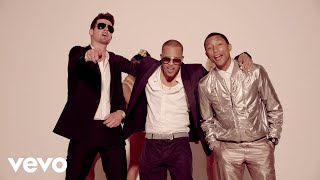
The Puff Daddy Mix is also a remix: Sean Combs kept the vocals and rebuilt the music around them, turning an album track produced by RZA into a radio single. Trackmasters later said in a 2012 interview that they produced the remix and were credited only for drum programming. Compare how a borrowed Marvin Gaye feel ended up in court with Robin Thicke, T.I., Pharrell Williams – Blurred Lines.

Artistic Context

Method Man, born Clifford Smith, is a member of the Wu-Tang Clan, and Tical, released by Def Jam on 15 November 1994, was the first Wu-Tang solo album after the group’s debut, with a dark, murky sound by RZA. The duet with Blige came out as a single on 25 April 1995, and the Puff Daddy Mix later joined the album’s deluxe edition.

Impact and Reception

The single reached number three on the Billboard Hot 100, topped the R&B chart for three weeks, reached number ten in the UK and went platinum. It won the 1996 Grammy for Best Rap Performance by a Duo or Group, and Complex later ranked it first among hip-hop love songs. NME found the Combs mix “slick as hell, but still booming”. Listen for Blige’s first line.
Learn from this track

Introductory

What you will learn

  • Explain the difference between an interpolation and a sample, using the Marvin Gaye and Tammi Terrell melody and the Notorious B.I.G. vocal in this one mix.
  • Describe what a remix changes, by comparing the Puff Daddy Mix with RZA's album track All I Need.
  • Explain why a rap verse paired with a sung soul chorus became a model for hip-hop love songs.

Listening guide

  1. the intro Mary J. Blige sings first: the record opens as a soul song before Method Man says a word.
  2. the verses Method Man raps all three verses; the singing around them belongs to Blige.
  3. the chorus The melody and words of Marvin Gaye and Tammi Terrell's You're All I Need to Get By, sung again by Blige rather than copied from their record.
  4. the beat The Puff Daddy Mix's new instrumental and, repeated through it, a short vocal sample from the Notorious B.I.G.'s Me & My Bitch.

Concepts in this track

interpolation

7 tracks

Re-recording a melody or lyric from an existing song inside a new one, instead of copying the original recording as a sample does. The borrowed tune is performed again by the new artist, and its writers are usually added to the credits.

remix

164 tracks

A new version of a recording made by reworking its parts: changing the beat, harmony, tempo or structure, often by another producer. A remix can turn a ballad into a club track.

sampling

63 tracks

Taking a fragment of an existing recording and reusing it in a new one, as a loop, a chop or a texture. Sampling is central to hip-hop and dance music and raises questions of credit and copyright.

Listen next, and why

Questions for discussion

  1. The chorus re-sings an old song and the beat repeats a recorded voice. Why might a producer choose one way of borrowing over the other?
  2. Method Man raps and Mary J. Blige sings. What does each voice give the song that the other could not?
  3. The radio mix replaced RZA's music almost entirely. Is it still the same song, and what decides that?

References

  1. Wikipedia. I'll Be There for You/You're All I Need to Get By. Encyclopedia
  2. Wikipedia. You're All I Need to Get By. Encyclopedia
  3. Wikipedia. Tical (album). Encyclopedia
  4. MusicBrainz. I'll Be There for You / You're All I Need to Get By (Puff Daddy mix). Database
  5. Universal Music Group. I'll Be There For You/You're All I Need To Get By (Puff Daddy Mix) (2018). Video

Weighted overlap of genres, feelings and moods.

Neighbourhood

This track, the tracks most like it and theirs. Drag, zoom, hover; a dot opens the track.

Show as table