Review
Genre and Mood
Amanda Blank made DJ sound like a party, but it is a heartbreak song. The production by Diplo and Switch belongs to the late-2000s blend of rap, Baltimore club and electropop, loud and built for dancing, while the lyric is about a relationship that is going wrong. The exuberance is real; it is also a way of coping.
Song Summary
The verses describe a partner who says he loves her yet pulls away and sets restrictions, and her fear that he is keeping her close while he has already left. The hook is addressed to the DJ: play it louder, play it harder, help her forget him and dance the pain away until the night is over. The song never resolves the relationship; it resolves the night.
Musical Breakdown
Intro: Setting the Party Tone
The track opens on the beat. Diplo and Switch were among the most in-demand club producers of the moment, and PopMatters heard the album’s sound as part of the Baltimore-rooted “gutter” style loosely linked to the Hollertronix crew Diplo co-founded in Philadelphia.
Verse 1: Amanda Takes the Mic
Blank delivers the first part of the story: the mixed signals, the affection that comes with control. The confidence of the delivery and the hurt of the words pull against each other.
Chorus: The Crowd-Pleaser
The hook turns from the man to the DJ. It is a request rather than a boast, and it is what a listener carries out of the song.
Bridge: Beat Break
Between the verses comes the section where she relays what he told her, his side of the story in her voice. The beat keeps running underneath; the song does not stop to grieve.
Verse 2 and Outro: Maintaining the Energy
The last verse adds her fear that he is emotionally gone, and the hook returns slightly expanded. The track ends at full energy, which is the point: the dancing is the answer she has chosen.
Concepts in Focus
The song is a small lesson in club culture. In clubs the DJ is the person who controls the mood of a whole room, and Blank’s narrator hands her mood to that person. A dance floor is a place to lose yourself among strangers; this lyric explains why someone might need exactly that.
The hook is a direct address to the DJ, short and repeated, so the title and the request become the same thing. Around it the song keeps a clear verse-chorus form: verses carry the story of the relationship, the chorus carries the response, and the final chorus comes back extended. The form is pop; the beat is club music.
Artistic Context
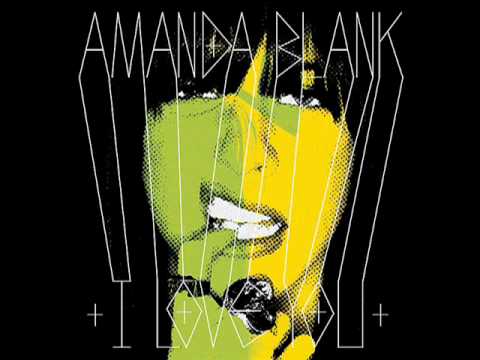
Amanda Blank, born Amanda McGrath in Philadelphia in 1983, came up in the city’s performance-art band Sweatheart and through frequent collaborations with Naeem of Spank Rock. She signed with Downtown Records in 2007 and released her debut album I Love You on 4 August 2009, produced by Diplo, Switch, XXXChange, Dave Sitek and Jacknife Lee. DJ is credited to Blank and Diplo as writers and to Diplo and Switch as producers.
Impact and Reception
I Love You drew mixed reviews, a Metacritic score of 59, and reached number 3 on Billboard’s Top Heatseekers chart and number 109 on the Billboard 200. PopMatters found most of the beats good and credited Switch and Diplo for them. DJ was not a single, but it is one of the clearest places on the album to hear Blank set a vulnerable lyric against a club-sized production. She went on to open for Peaches, the Yeah Yeah Yeahs and her label mate Santigold.
Music Video
The official video sits on YouTube alongside the album track. Watch it with the lyric in mind: a song about using the dance floor to forget someone works differently once you know what is being forgotten.


