Review

Genre and Mood
Mélissa Laveaux keeps Generous Bones small. It is a singer-songwriter’s song, written by her alone, but heard through the indie pop and alternative arrangements of her second album, where rhythm and synthetic colour mattered more than the folk guitar she started with. The mood is intimate and introspective, a song that says what it needs to and stops.
Song Summary
Generous Bones is the seventh of eleven tracks on Dying Is a Wild Night and one of its shortest, about two and a half minutes long. The album takes its title from Emily Dickinson’s line about dying being a wild night and a new road. What sets this one apart is in the credits: it is entirely Laveaux’s composition, and it is one of only two tracks on the album mixed not by Bertrand Fresel but by Renaud Letang at Studios Ferber.
Musical Breakdown
The Voice
Gaesteliste’s review singled out her smoky, highly recognisable voice, and the song is built to put it in front. She sings close rather than big.
The Band
Around her, Ludovic Bruni plays guitars and bass, Vincent Taeger drums and percussion, and Vincent Taurelle keyboards. The three also produced and arranged the album, so the band and the production are the same people.
The Ending
The song does not stretch itself out. It makes its point and leaves, which is part of its charm on a record of more elaborate arrangements.
Concepts in Focus
mixing is the stage where every recorded part is balanced into one finished track, and it is usually invisible. Here the credits make it visible: most of the album was mixed by Bertrand Fresel at Studios Juno, but Generous Bones and Sweetwood went to Renaud Letang. A different engineer means different choices about how loud the voice sits, how dry or roomy the drums are, how much the keyboards glow. When you listen, try to hear those choices as separate from the song.
The song also lives as a live recording. Laveaux performed it acoustically for the In Bed With series at the Reeperbahn Festival in 2013, and for an acoustic session on Madmoizelle; both versions run longer than the studio take. Without the producers’ arrangement, the song moves closer to the acoustic sound of Mélissa Laveaux – Needle in the Hay from her first album.
Artistic Context
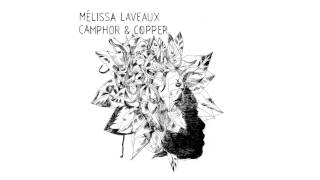
Laveaux was born in Montreal in 1985 to Haitian parents and studied ethics at the University of Ottawa. Her first album, Camphor & Copper, appeared independently in 2006 and in a reworked version on the French label No Format! in 2008; Dying Is a Wild Night followed on the same label in 2013, recorded with the producer trio of Bruni, Taeger and Taurelle. Taeger is also the drummer of Poni Hoax, heard on Poni Hoax – The Wild.
Impact and Reception
Gaesteliste called the album an unobtrusively intelligent pop record and noted how far it had moved from her folk-pop beginnings. Laveaux went on to Radyo Siwèl, long-listed for the Polaris Music Prize in 2018. Play Generous Bones twice: once for the voice, once for the mix.