Review
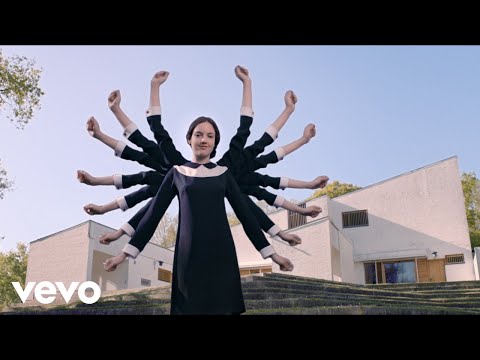
Genre and Mood
Jain arrived with Come, a compact pop song that borrows its colour from African rhythms and its punch from French dance music. It is playful and uplifting on the surface, bursting with a joyful energy that feels handmade: a skipping beat, a chugging guitar, a few shy horns and a voice that sounds like it is smiling, even when the words are not.
Song Summary
Come is a plea to someone to come back, and Atwood Magazine heard layers of dark emotion buried under its happy bounce: longing for a lost connection, feeling adrift without a former partner. The arrangement points the other way, bright and light, with a constantly chugging guitar, bashful horns and double-tracked vocals in the chorus. That contrast is the song’s secret. Nothing is crowded or overproduced; every sound has room, and the song ends before it can wear out its welcome.
Musical Breakdown
The song is short and tightly built, wasting no time on build-ups.
Intro
A bouncing beat and the chugging guitar open the track, setting a carefree mood within seconds.
Verse 1
Jain sings with relaxed confidence, her phrasing playful and rhythmic, riding the groove like a dancer, with quick runs of notes that recall jazz improvisation.
Chorus
The title hook arrives with doubled voices, the song’s sunniest moment and its catchiest.
Bridge
The arrangement briefly pares back to rhythm and voice, a playful pause before the final run.
Outro
The hook returns over the beat before the song stops neatly, leaving the melody ringing in your head.
Concepts in Focus
The song runs on its groove: the way the beat, the chugging guitar and Jain’s percussive phrasing lock together and push forward. It is a groove that makes you move before you notice what the words are saying, which is how a lovesick lyric becomes a summer hit.
The hook is the one-word title, repeated and double-tracked so that two takes of the same voice sound wider and more urgent than one. Short, singable and repeated, it is designed to stick, and it did: the song reached number one in France.
Its origin is a lesson in the sequencer. Jain wrote the music first, at seventeen, in an experimental session with the FruityLoops software, programming parts that repeat in time, and only later added the lyrics; with her producer Yodelice she then shortened and refined it into a song that sounds played rather than programmed. Hear the same partnership in Jain – Makeba.
Artistic Context
Jain is the French singer and songwriter Jeanne Galice, born in Toulouse in 1992, who left France at nine for Dubai, spent about four years in the Republic of the Congo, where she began making demos in Pointe-Noire with the help of the producer Mr. Flash, and then a year in Abu Dhabi. Demos posted on MySpace led to her manager and to Yodelice, who brought her to Paris and produced her records. Come, written with Kenan Williams, was released as a single on 11 May 2015 and also appeared on her Hope EP before opening the way for her debut album Zanaka, released on 6 November 2015 on Spookland; its video came out on her YouTube channel on 2 June 2015.
Impact and Reception
Come reached number one in France, number five in Wallonia and number 20 in Italy, and it is certified diamond in France and double platinum in Italy. Her live performance of it at the 2016 Victoires de la Musique, where she was nominated for Album Révélation, is credited with taking the song to the top of the French chart. Its later use in the video game NBA 2K17 and its US Adult Alternative airplay carried it further. Press play and let it carry you for under three minutes.