Review

Genre and Mood
Gater and Chesty Morganstein made Taboo at the height of electroclash, the style that fused 1980s electro, new wave and synth-pop with techno and, as Wikipedia puts it, put the emphasis on songwriting, showmanship and a sense of humour. Discogs files the EP under electro. Provocative and playful are the feelings named here, because the song is built on a double meaning: it sounds like one thing and, according to its author, is about another.
Song Summary
Taboo is the first track of Gater’s debut EP, which Dekathlon Records released in Germany in September 2002. Brian Suarez wrote and produced it in New York, and Chesty Morganstein is credited with the vocals. Radio Nova, which played the song a lot in the early 2000s, describes a lyric that plays on the ambiguity of its words, and then the reveal: in an interview Gater said the song is really about the board game Taboo, of which he and Chesty are big fans. The version embedded here is the same recording, reissued digitally in 2014 by the label RemuteD.
Musical Breakdown
No review describes Taboo part by part, so the sections below are listening prompts, not a map of the song.
Intro
Listen for how sparse the electronic setting is before the voice arrives, and for what it already suggests.
Main Section
The voice carries the song. Listen for how Morganstein’s delivery tilts the words toward the reading the title invites.
Outro
Listen for whether the song resolves its double meaning or leaves it hanging.
Concepts in Focus
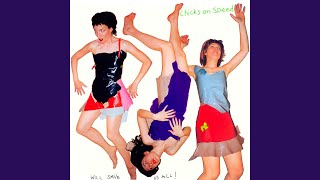
electroclash was named by DJ Hell in Munich and popularised in New York by Larry Tee’s Electroclash festival in 2001. Taboo connects both cities: written in New York, released on a Munich label, and included on Ministry of Sound’s 2003 Electroclash compilation next to Chicks On Speed, whose Chicks On Speed – Euro Trash Girl shows the Munich side of the scene.
Chesty Morganstein is credited as the <a href=“https://korczis.github.io/sonic-playground/concept/featured-artist/” class=“concept-link font-medium text-primary-700 underline decoration-dotted underline-offset-4 hover:decoration-solid dark:text-primary-400” data-concept=“featured-artist” title=“A guest performer credited on another artist’s track, usually as “feat.”: a rapper’s verse, a singer’s hook or a second voice. Features bring together different styles and audiences and are central to hip-hop, R&B and dance music.“>featured artist, and here the guest is the song’s face: the producer stays behind the machines while the voice delivers the joke. Gater’s Discogs profile adds its own humour, claiming he studied to be a priest and was influenced by house, electro, freestyle and pornographic movies.
Artistic Context
Gater is Brian Suarez, a producer from New York. Dekathlon was founded in Munich in 2002 by Florian Senfter, known as Zombie Nation, and Wolfram Gottardt; Senfter started it after leaving DJ Hell’s International DeeJay Gigolo Records, and Radio Nova notes that Taboo appeared on the label when it was brand new. The EP also carried a Zombie Nation remix of the title track, made at Zombie Studios in Munich.
Impact and Reception
Taboo travelled through European compilations, among them Ministry of Sound’s Electroclash and Radio Nova’s Nova Tunes, and Nova later revisited it as one of its own classics. Listen once for the double meaning, and once knowing it is about a board game.